
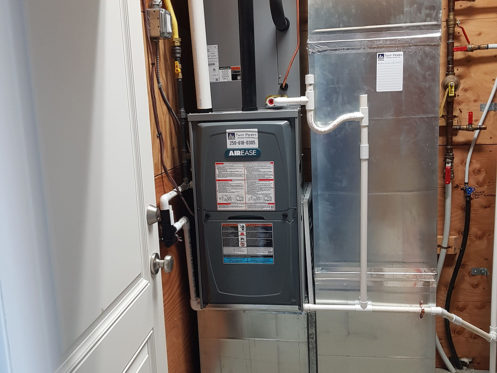
Understanding Furnace Ignitor Problems
A furnace ignitor is the part that lights the gas in your furnace to make heat. When your furnace ignitor stops working, your home stays cold. There are two main types of furnace ignitors: hot surface ignitors and standing pilots. Hot surface ignitors use electricity to get very hot and light the gas. Standing pilots have a small flame that’s always burning. Both can have problems that stop your furnace from working. Common furnace ignitor problems include dirt buildup, cracks, wear and tear, and electrical issues. Knowing which type you have helps you fix problems faster and decide if you need a professional.
| Ignitor Type | How It Works | Common Problems | Lifespan |
|---|---|---|---|
| Hot Surface Ignitor | Heats up with electricity to light gas | Cracks, burnout, wiring issues | 3-5 years |
| Standing Pilot | Small flame burns continuously | Blows out, thermocouple failure, dirt | 10+ years |
What Is a Hot Surface Ignitor?
A hot surface ignitor is a small, fragile part in newer furnaces. It’s made of special materials that get very hot when electricity flows through them. When your thermostat calls for heat, the furnace ignitor glows bright orange or white, reaching temperatures over 1,800°F. This heat is enough to light the gas that comes into your furnace.
Hot surface ignitors replaced older standing pilots because they use less energy. They only turn on when heat is needed instead of burning gas all the time. Most furnaces made in the last 20 years use hot surface ignitors.
How Hot Surface Ignitors Work
When you turn up your thermostat, it sends a signal to your furnace. The furnace control board then sends electricity to the hot surface ignitor. The ignitor heats up for about 30-60 seconds until it glows bright orange. Then, the gas valve opens, releasing gas that the hot ignitor lights. Once the flame sensor detects a flame, the blower motor starts, pushing warm air through your home.
This whole process happens in about a minute. If any step fails, your furnace won’t heat properly. The furnace ignitor is often the first part to check when heating problems occur.
Common Hot Surface Ignitor Problems
Hot surface ignitors are one of the most common parts to fail in modern furnaces. Here are the main problems they face:
Cracks and Physical Damage
Hot surface ignitors are very fragile. They’re made of ceramic or silicon carbide that can crack easily. Even tiny cracks can stop an ignitor from working. You might not see small cracks with your naked eye. Sometimes the ignitor will still glow but won’t get hot enough to light the gas.
Never touch a furnace ignitor with your bare hands. The oils from your skin can cause it to crack when it heats up. Always use gloves or handle it by the base only.
Burnout and Wear
Like light bulbs, furnace ignitors burn out over time. Most hot surface ignitors last 3-5 years before they need replacing. Each time they heat up and cool down, they get a little weaker. Eventually, they’ll stop working completely.
Signs of burnout include:
- The ignitor doesn’t glow at all
- It glows but not as brightly as before
- Your furnace tries to start but fails
Dirt and Debris Buildup
Dirt is a big enemy of furnace ignitors. Dust, pet hair, and other debris can coat the ignitor and prevent it from getting hot enough. This is why changing your furnace filter regularly is so important. A dirty filter lets more dust reach your ignitor.
If your furnace ignitor is dirty, it might still glow but won’t light the gas properly. Sometimes cleaning can help, but be very careful not to damage it.
Electrical Problems
Hot surface ignitors need the right amount of electricity to work. Problems with wiring, the control board, or power supply can prevent your ignitor from working. Signs of electrical problems include:
- The ignitor doesn’t get any power
- It works sometimes but not always
- Your furnace has other electrical issues too
What Is a Standing Pilot Light?
A standing pilot is an older type of furnace ignitor system. It’s a small flame that stays lit all the time, waiting to ignite the main burners when heat is needed. Standing pilots were common in furnaces made before the 1990s, but some newer models still use them.
The pilot light burns a tiny amount of gas continuously. When your thermostat calls for heat, the main gas valve opens, and the pilot light ignites the larger burners. This system is simple but uses more gas than hot surface ignitors because the pilot flame never goes out.
How Standing Pilots Work
A standing pilot system has three main parts:
- The pilot light – a small gas flame
- The thermocouple – a safety device that senses if the pilot is lit
- The gas valve – controls gas flow to both the pilot and main burners
The thermocouple is a metal rod that sits in the pilot flame. When heated, it generates a small electrical current that keeps the gas valve open. If the pilot goes out, the thermocouple cools down, stops making electricity, and the gas valve closes for safety.
Common Standing Pilot Problems
Standing pilots are simpler than hot surface ignitors, but they have their own set of problems:
Pilot Light Keeps Going Out
This is the most common problem with standing pilots. Several things can cause a pilot to go out:
- Drafts near the furnace
- Dirty pilot orifice (the tiny hole where gas comes out)
- Gas supply problems
- Thermocouple issues
If your pilot won’t stay lit, first check if it’s dirty. The flame should be blue with maybe a tiny yellow tip. If it’s yellow, flickering, or weak, it needs cleaning.
Thermocouple Problems
The thermocouple is a safety device that can wear out over time. When it fails, it won’t sense the pilot flame properly and will shut off the gas. Signs of thermocouple problems include:
- The pilot lights but goes out when you release the pilot button
- The pilot flame looks good but the main burners won’t light
- The thermocouple looks dirty or corroded
Thermocouples are inexpensive and relatively easy to replace. They usually last 5-10 years before needing replacement.
Gas Pressure Issues
Sometimes the problem isn’t with the pilot itself but with the gas supply. If gas pressure is too low, the pilot may light but burn weakly. If it’s too high, the flame might be too large. Both situations can prevent proper operation.
Gas pressure problems usually need a professional to diagnose and fix safely.
Hot Surface Ignitor vs. Standing Pilot: Which Is Better?
Both ignition systems have pros and cons. Here’s how they compare:
Energy Efficiency
Hot surface ignitors are much more energy efficient. They only use energy when the furnace is starting up. Standing pilots burn gas 24/7, even in summer when you don’t need heat. This wastes gas and money.
A standing pilot might use $50-$100 worth of gas per year just keeping the pilot lit. Hot surface ignitors use a tiny amount of electricity only when needed.
Reliability
Standing pilots are generally more reliable in the short term. They have fewer parts to break and don’t depend on electricity. During power outages, a furnace with a standing pilot can still work if it has a mechanical thermostat.
Hot surface ignitors are more likely to fail and need replacement every few years. However, modern furnaces with electronic ignition have better safety features overall.
Maintenance Needs
Standing pilots need more regular maintenance. They can get dirty or blow out, requiring relighting. The thermocouple also needs occasional cleaning or replacement.
Hot surface ignitors need less maintenance but are more expensive to replace when they do fail. They might cost $40-$100 for the part alone, plus labor if you hire a professional.
How to Tell Which Ignitor Type You Have
Not sure which type of furnace ignitor you have? Here’s how to check:
Check the Age of Your Furnace
Furnaces made before 1990 usually have standing pilots. Most furnaces made after 2000 have hot surface ignitors. Those made in the 1990s could have either type.
Look for a label on your furnace with the manufacture date. If you can’t find it, the model number can help determine the age.
Look for a Pilot Light
If your furnace has a small access panel labeled “pilot,” it probably has a standing pilot. When you look inside with the furnace off, you might see a small tube pointing at a metal rod (the thermocouple).
Hot surface ignitor systems won’t have a pilot access door. Instead, they have electronic components and no continuously burning flame.
Watch the Startup Sequence
If safe to do so, watch your furnace start up:
- Standing pilot: When the thermostat calls for heat, the main burners light almost immediately from the already-lit pilot.
- Hot surface ignitor: You’ll hear clicking or humming, then see a bright orange glow through the viewing window before the main burners light.
DIY Troubleshooting for Furnace Ignitor Problems
Before calling a professional, try these simple checks:
For Hot Surface Ignitors
- Turn off power to the furnace at the breaker box.
- Remove the furnace access panel.
- Locate the ignitor (usually near the burners).
- Check for visible cracks or damage.
- Gently clean any dust with a soft brush or canned air (never touch it).
- Check wiring connections to make sure they’re tight.
- Restore power and see if the ignitor glows when the furnace starts.
If the ignitor doesn’t glow or still won’t light the gas, it probably needs replacement.
For Standing Pilots
- Find the pilot light assembly.
- Check if the pilot is lit (you should see a small blue flame).
- If it’s out, follow the lighting instructions on your furnace.
- If it won’t stay lit, check if the thermocouple is positioned correctly in the flame.
- Clean the pilot opening with a thin wire if the flame is yellow or weak.
- Make sure there are no drafts near the furnace.
If the pilot still won’t stay lit after cleaning, the thermocouple might need replacement.
When to Call a Professional
While some furnace ignitor problems can be fixed yourself, others need professional help. Call a heating technician if:
- You smell gas (leave the house and call from outside)
- You’ve tried basic troubleshooting and the problem persists
- Your furnace is making unusual noises
- You don’t feel comfortable working on gas appliances
- Your furnace is shutting down with error codes
A professional has the tools and knowledge to safely diagnose and fix furnace ignitor problems. They can also check for other issues that might be causing or contributing to the problem.
Preventing Furnace Ignitor Problems
You can reduce furnace ignitor problems with these simple steps:
Regular Maintenance
Schedule yearly furnace maintenance with a professional. They’ll clean and inspect all parts, including the ignitor. This can catch problems before they leave you without heat.
For standing pilots, have the technician clean the pilot assembly and check the thermocouple. For hot surface ignitors, they’ll check for cracks and test that it’s working properly.
Change Air Filters Regularly
Dirty air filters make your furnace work harder and allow dust to build up on components. Change your filter every 1-3 months during heating season. This simple step prevents many furnace problems, including ignitor issues.
Keep the Area Around Your Furnace Clean
Don’t store items near your furnace, especially flammable materials. Keep the area clean and dust-free. This reduces the chance of dirt affecting the ignitor and improves overall furnace performance.
Frequently Asked Questions
Can I replace a furnace ignitor myself?
Yes, if you’re comfortable with basic home repairs. Hot surface ignitors are more difficult to replace than thermocouples. Always turn off power and gas to the furnace first, and follow the manufacturer’s instructions carefully.
How long do furnace ignitors last?
Hot surface ignitors typically last 3-5 years. Standing pilot thermocouples can last 5-10 years or more. Regular maintenance can extend the life of both types.
Why does my furnace ignitor glow but not light?
If your hot surface ignitor glows but doesn’t light the gas, possible causes include:
- Gas valve problems
- Ignitor not getting hot enough
- Dirty burners
- Improper air/gas mixture
- Flame sensor issues
Is it normal for a hot surface ignitor to glow red?
Yes, hot surface ignitors normally glow bright orange or reddish when working properly. They need to reach about 1,800°F to ignite the gas.
Keeping Your Home Warm with Expert Help
Understanding furnace ignitor problems helps you keep your heating system running smoothly. Whether you have a hot surface ignitor or standing pilot, regular maintenance is key to preventing issues. Most ignitor problems show warning signs before complete failure, so pay attention to how your furnace starts up.
Remember that furnace ignitors are safety devices too. They ensure gas only flows when it can be properly ignited. This prevents dangerous gas buildup in your home. Never bypass safety features when troubleshooting ignitor problems.
When you need help with furnace ignitor problems or any heating issues, don’t wait until you’re left in the cold. Contact Twin Peaks Plumbing, Heating, and Air for expert diagnosis and repair. Our technicians are trained to work with all furnace types and can quickly get your heat working again. Call today to schedule an appointment and keep your home comfortable all winter long.

