
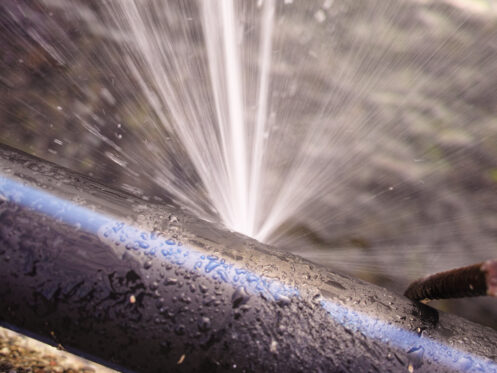
Sewer line trouble is rarely noticeable right away. Maybe a drain slows down or a pipe starts making odd noises, and then before you know it, you’ve got a major problem on your hands. If you’ve ever noticed odd odours, soggy patches in the yard, or drains that no longer clear like they used to, it’s worth taking a closer look. At Twin Peaks Plumbing, Heating & Gas in Nanaimo, BC, we’ve seen how small issues can escalate quickly underground.
Why Sewer Lines Struggle in Older Neighbourhoods
If your home sits in an older area, chances are your sewer pipes have been buried for decades. Clay and cast iron pipes were common in the past, and each comes with its own set of risks. Clay can crack and shift. Cast iron corrodes from the inside out. Orangeburg, made from compressed wood pulp and tar, has been known to collapse under pressure.
As trees grow and soil settles, those pipes do not always hold up. A crack in the wrong spot lets roots sneak in. Once they reach the moisture inside the pipe, they keep growing, and that creates slow clogs or total blockages. If your plumbing slows down or your lawn smells off, it might be your sewer pipe trying to get your attention.
The Telltale Signs That Trouble Is Brewing
Sewer problems nudge you with subtle signs. That slow kitchen drain may seem like grease buildup, but if the bathroom sink starts doing the same, your issue could run deeper. A single slow drain points to a local clog. If they all struggle together, the problem likely sits in the main sewer line.
Smells are an indicator as well. That unmistakable rotten-egg scent comes from sewer gas, and if it drifts up through a bathroom or laundry room, your pipes may not be venting properly. Gurgling sounds also raise red flags. They mean air is trapped behind water in the pipe and trying to escape, often because something is in the way. You might hear it after flushing or when the washer drains. These warning signs rarely vanish on their own. Paying attention early puts you in a better spot than waiting for sewage to come up through your floor drain.
What Happens Below the Surface
A blocked sewer line does more than inconvenience your plumbing. It creates pressure, and that pressure tries to escape wherever it can. If the line gets clogged near the home, wastewater can back up into the lowest drains. That often means showers, floor drains, or basement toilets start to overflow first. What started as a clog can turn into a sanitation hazard with a cleanup bill to match.
Outside, soggy patches in the lawn can show up even when it has not rained. A leak underground lets wastewater saturate the soil. If you step outside and notice soft ground, bright green grass in one area, or an odour near a buried line, there might be a break somewhere underfoot.
Tree Roots Are a Bigger Threat Than You’d Think
Many sewer line blockages in residential areas are caused by roots. Once a root pushes into the pipe, it keeps feeding on the moisture inside. The roots spread, and what started as a drip becomes a full-on blockage. Even if you cut the tree down, the roots do not vanish. They stay active and keep pushing until they run out of space.
Hydraulic cutters or jetting tools can clear them temporarily, but unless the pipe gets repaired or replaced, the problem is likely to return. The key is spotting the invasion before it turns into an impassable tangle. If your yard has large trees near your sewer line and your drains act up during wetter months, it is smart to assume roots might be involved.
Why Wet Weather Makes Sewer Problems Worse
Heavy rain has a way of finding cracks. When the soil becomes saturated, excess water puts pressure on your sewer line from the outside. If the pipe has weak joints, worn sections, or small cracks, stormwater can get inside. That adds volume your system was never designed to handle.
In many cases, the city’s storm system gets overwhelmed, too, and pressure flows backward into your property. Sewer backflow valves help in some situations, but if your pipes already struggle, you are at higher risk. During those heavy downpours, even a minor flaw in the system can lead to a backup. That is why a dry spell is the right time to inspect, not after the rain starts pooling in your basement.
How Video Inspections Help You Catch Issues Early
Without digging, you cannot see the condition of your buried sewer line. That is where video inspections come in. A camera snake gives a live look inside the pipe. It shows whether the line has sagged, whether roots are entering, and whether grease or sludge has started to build up along the walls.
The footage also helps you make informed decisions. If the line has one break near the house, a local repair might be enough. If it sags in several places or collapses near the connection to the main line, full replacement might be needed.
What to Do If a Backup Starts
If water starts rising in your basement or you see sewage in a shower drain, stop using water immediately. That includes flushing toilets, running the dishwasher, or using the washing machine. Any water you add to the system increases the backup. Turn off anything connected to your plumbing and try to contain the mess as best you can.
Avoid using chemical drain cleaners. In many cases, they will sit behind the clog and damage your pipes without clearing the blockage. If you have a floor drain and notice water pooling nearby, try to move items off the floor to prevent damage. You might smell the backup before you see it, so act fast if something smells off in a utility room or bathroom.
Preventative Steps That Actually Work
Regular sewer cleanouts help keep things moving. If you have a known issue with roots or a pipe that clogs every year, setting a schedule with a professional can keep the buildup in check. They may use high-pressure jetting or mechanical augers to clear out any debris or growth before it hardens or clogs the line.
Avoid flushing anything that does not break down easily. That includes wipes, paper towels, feminine products, and heavy-duty cleaning cloths. Even if a package says “flushable,” it can still catch on tree roots or pipe joints. Grease is another culprit. It goes in as a liquid but cools into a thick paste that sticks to pipe walls and traps debris. Pouring grease into a jar and throwing it away later keeps your line cleaner than rinsing it down the sink.
When Repair Becomes the Best Option
If inspections show consistent damage, collapsing sections, or bulging pipes, replacement may be the only long-term fix. Some repairs can be done without trenching, using pipe-lining methods that coat the inside of the pipe with resin. Others require digging and replacing the damaged sections.
A repaired sewer line improves drainage, reduces odours, and eliminates the risk of sudden backups. It also adds value to your home, especially during resale. Buyers ask about sewer health more often now, and having proof of repair can save you from last-minute surprises during closing. The sooner you handle a known issue, the more control you have over how and when the repair happens.
Schedule Your Sewer Line Inspection Today
Catching plumbing and sewer issues early can help you avoid major repairs and protect the parts of your home you don’t see every day. Along with sewer inspections and repairs, we also handle clogged drains and water line checks to help you stay ahead of underground trouble. Book your sewer line inspection with Twin Peaks Plumbing, Heating & Gas in Nanaimo today.

