
Why Is My Heat Pump Not Heating?
When your heat pump is not heating your home, it’s usually because of a dirty air filter, incorrect thermostat settings, frozen outdoor unit, refrigerant issues, electrical problems, valve malfunctions, or sizing issues. Most heat pump heating problems can be fixed by cleaning filters, checking thermostat settings, or removing ice from the outdoor unit. For more complex issues like refrigerant leaks or electrical failures, you’ll need professional help. Regular maintenance can prevent most heating problems and keep your system running efficiently during cold weather.
Understanding How Heat Pumps Work
Before we fix your heat pump, let’s understand how it works. A heat pump doesn’t create heat like a furnace. Instead, it moves heat from one place to another.
Even when it’s cold outside, there’s still some heat in the air. Your heat pump captures this heat and brings it inside to warm your home. It works like a refrigerator but in reverse.
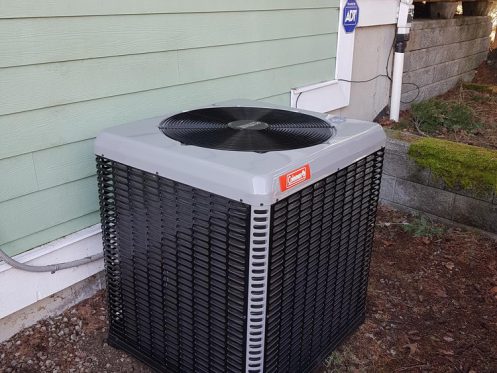
The system has two main parts: an outdoor unit and an indoor unit. These parts work together to move heat using refrigerant, which is a special fluid that can absorb and release heat.
| Heat Pump Component | What It Does |
|---|---|
| Outdoor Unit | Collects heat from outside air (even in cold weather) |
| Indoor Unit | Releases the collected heat into your home |
| Refrigerant | Special fluid that carries heat between units |
| Reversing Valve | Changes direction of refrigerant flow for heating or cooling |
| Compressor | Pressurizes refrigerant to increase its temperature |
8 Common Reasons Your Heat Pump Is Not Heating
Let’s look at the most common reasons your heat pump is not heating and how to fix each problem.
1. Dirty or Clogged Air Filters
Dirty air filters are the number one reason heat pumps stop heating well. When filters get clogged with dust and dirt, air can’t flow through your system properly.
Poor airflow means less heat reaches your rooms. Your heat pump has to work harder, which wastes energy and can cause the system to overheat and shut down.
If you want to fix it, check your air filter. If it looks dirty, replace it with a new one. You should change your filter every 1-3 months depending on your home conditions.
2. Incorrect Thermostat Settings
Sometimes the problem isn’t with your heat pump at all. Your thermostat might be set incorrectly.
If your thermostat is set to “cool” instead of “heat,” your heat pump won’t warm your home. Or if it’s set to “emergency heat” or “auxiliary heat” all the time, you’ll use more energy than needed.
How to fix it: Check that your thermostat is set to “heat” mode. Make sure the temperature is set higher than the current room temperature. If you have a programmable thermostat, verify that the schedule is correct.
3. Frozen Outdoor Unit
During winter, your outdoor unit can get covered in ice or snow. This is normal to some extent, as heat pumps go through defrost cycles.
However, if your outdoor unit is completely frozen, it can’t pull heat from the outside air. This means your heat pump is not heating properly.
How to fix it:
- Make sure nothing is blocking the outdoor unit
- Gently remove snow with a soft brush
- Check that the defrost cycle is working
- Ensure the outdoor unit has proper drainage
Never use sharp objects to chip away ice, as this can damage the coils.
4. Low Refrigerant Levels
Refrigerant is the special fluid that moves heat from outside to inside your home. If your system is low on refrigerant due to a leak, your heat pump won’t be able to transfer enough heat.
Signs of low refrigerant include poor heating performance, ice buildup on the outdoor unit that doesn’t melt during defrost cycles, and hissing sounds from the unit.
This is not a DIY job. Refrigerant is regulated by the EPA and must be handled by licensed professionals. Call a technician to find and repair any leaks and recharge the system with the correct amount of refrigerant.
5. Electrical Problems
Your heat pump needs electricity to run. Problems with the power supply, wiring, capacitors, or circuit boards can cause your heat pump to stop heating.
You might notice that your heat pump isn’t turning on at all, or it might run for a short time and then shut off.
How to fix it:
- Check your circuit breaker to make sure it hasn’t tripped
- Look for any obvious signs of damage to visible wiring
- For internal electrical issues, call a professional technician
Electrical problems can be dangerous, so don’t try to fix internal electrical components yourself.
6. Reversing Valve Issues
The reversing valve is what allows your heat pump to switch between heating and cooling modes. If this valve gets stuck or fails, your heat pump might be stuck in cooling mode even when you want heat.
You might notice cool air coming from your vents when the thermostat is set to heat. This requires professional repair. A technician will need to test the valve and either repair or replace it.
7. Improper Heat Pump Size
If your heat pump is too small for your home, it will struggle to provide enough heat, especially on very cold days. An undersized system will run constantly but never reach the set temperature.
This problem is most noticeable when outdoor temperatures drop very low.
Have a professional evaluate whether your heat pump is properly sized for your home. If it’s too small, you might need to upgrade to a larger system or add supplemental heating.
8. Lack of Regular Maintenance
Heat pumps need regular maintenance to work efficiently. Without proper care, small problems can turn into bigger issues that affect heating performance.
Over time, coils get dirty, parts wear out, and the system becomes less efficient at heating your home.
To fix it, schedule professional maintenance at least once a year. A technician will clean the system, check refrigerant levels, test electrical components, and make sure everything is working properly.
When to Call a Professional for Your Heat Pump
While some heat pump problems can be fixed yourself, others require professional help. Here’s when to call a technician:
- You suspect refrigerant leaks
- The system makes unusual noises (grinding, squealing, or banging)
- You’ve checked the simple fixes and your heat pump is still not heating
- There are electrical issues beyond a tripped breaker
- The system short-cycles (turns on and off frequently)
- You notice water leaking from the indoor unit
Professional technicians have the tools, training, and experience to diagnose and fix complex heat pump problems safely.
Preventing Heat Pump Heating Problems
The best way to deal with heat pump problems is to prevent them in the first place. Here are some tips to keep your heat pump heating properly:
Regular Filter Changes
Mark your calendar to check and change your air filter every 1-3 months. This simple step prevents many common heating problems.
Clean filters allow proper airflow, which helps your heat pump work efficiently. This saves energy and extends the life of your system.
Annual Professional Maintenance
Schedule a professional tune-up before each heating season. A technician will:
- Clean the coils and components
- Check refrigerant levels
- Test electrical connections
- Lubricate moving parts
- Calibrate the thermostat
- Inspect the entire system for potential problems
Regular maintenance can catch small issues before they become big, expensive problems.
Keep the Outdoor Unit Clear
Make sure the area around your outdoor unit stays clear of debris, plants, and snow. Aim for at least 2 feet of clearance on all sides.
During winter, check the unit after snowstorms and gently clear away snow and ice. Good airflow around the outdoor unit is essential for proper heating.
Use a Programmable Thermostat Correctly
A programmable thermostat can help your heat pump run more efficiently, but only if used correctly. Avoid frequent temperature changes.
Set your thermostat to a comfortable temperature and leave it there. Heat pumps work best with steady operation rather than frequent adjustments.
Understanding Heat Pump Emergency Heat Mode
Most heat pumps have an “emergency heat” or “auxiliary heat” setting. This mode bypasses the heat pump and uses backup electric resistance heating instead.
Emergency heat uses much more electricity than normal heat pump operation. It should only be used when:
- The outdoor temperature is extremely cold (below 30°F in some systems)
- Your heat pump is damaged and waiting for repair
- The outdoor unit is completely frozen and can’t defrost itself
If you find yourself using emergency heat often, it might be a sign that your heat pump needs service or isn’t sized properly for your climate.
Frequently Asked Questions About Heat Pumps Not Heating
Why is my heat pump blowing cold air when set to heat?
Heat pump air feels cooler than furnace air because heat pumps produce air around 90-95°F, while furnaces produce much hotter air (130-140°F). This can feel “cool” compared to your body temperature (98.6°F), especially if you’re used to a furnace. However, if the air is actually cold, you might have a reversing valve problem or refrigerant issue.
How cold is too cold for a heat pump to work effectively?
Standard heat pumps work well down to about 25-30°F. Below that, efficiency drops and backup heat may kick in. However, newer cold-climate heat pumps can work efficiently even at 0°F or below. If your heat pump struggles in moderately cold weather, it might need service.
Why does my heat pump run constantly in cold weather?
Heat pumps are designed to run longer than furnaces. In cold weather, running continuously is normal and actually more efficient than cycling on and off. However, if it runs constantly but can’t reach the set temperature, you might have an undersized unit, leaking ducts, or another issue.
How often should I have my heat pump serviced?
Have your heat pump professionally maintained at least once a year. Many homeowners schedule service in the fall before heating season begins. If you use your heat pump for both heating and cooling, consider twice-yearly maintenance.
Can a dirty air filter cause my heat pump to stop heating?
Yes! A clogged air filter restricts airflow, which can cause the system to overheat and shut down. It can also cause the indoor coil to freeze. Changing your filter regularly is the easiest way to prevent heating problems.
Get Your Heat Pump Heating Again
When your heat pump is not heating properly, start with the simple fixes: check your filter, verify thermostat settings, and make sure the outdoor unit is clear of ice and snow. These steps often solve the problem quickly.
For more complex issues like refrigerant leaks, electrical problems, or component failures, it’s best to call a professional. Attempting to fix these yourself can damage your system or create safety hazards.
Regular maintenance is the key to preventing heat pump problems. With proper care, your heat pump should provide reliable, efficient heating for many years. If you’re experiencing ongoing issues with your heat pump not heating, contact Twin Peaks Plumbing, Heating, and Air for expert diagnosis and repair. Our experienced technicians can get your system working properly again and help you stay warm all winter long.

