
There’s nothing quite like turning on the tap and getting barely more than a trickle. Low pressure can point to deeper plumbing issues you might not notice at first. At Twin Peaks Plumbing, Heating & Gas, in Nanaimo, Canada, we help homeowners track down the source and fix the frustration.
Everyday Tasks Drag When Water Pressure Drops
You might not think about water pressure until it gets in the way. When water pressure drops, every regular task starts to feel inconvenient. That shift doesn’t just waste your time. It also hints at something else happening in the background.
Low pressure can create a domino effect. It makes your washing machine fill slower. It makes your dishwasher take longer to finish a cycle. If you’re trying to run two things at once, like taking a shower while the laundry is on, you might notice the pressure falling off even more. This isn’t just about comfort. It’s about function. Most appliances rely on steady pressure to run efficiently. When that pressure drops, wear on those machines can increase.
Clogged Fixtures Slow Everything Down
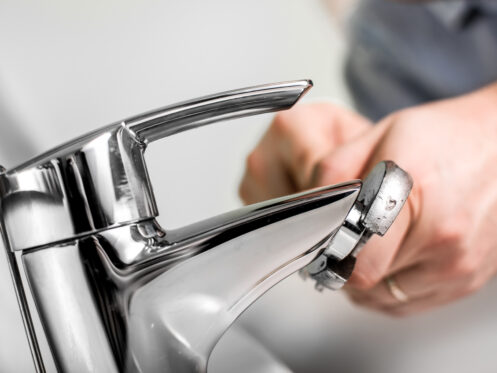
When water pressure drops in just one part of your home, like the kitchen sink or a single shower, the problem might be sitting right at the fixture. Over time, tiny mineral deposits can build up in faucet aerators or showerheads, especially if you’ve got hard water running through older pipes. These blockages don’t always look dramatic, but they restrict water flow just enough to make washing or rinsing feel inefficient.
In some cases, a clogged fixture makes the spray pattern uneven or leaves you with a thin stream instead of full coverage. That weak flow might seem like a small annoyance at first, but it can quickly affect your routine. Cleaning dishes takes longer. Washing your hair feels like a chore. Even brushing your teeth gets annoying when the tap can’t keep up.
If you’ve cleaned the aerator or replaced the head and still notice weak flow, the issue could sit deeper in the line. Some minerals cling to the inside of older pipes and narrow the space water can travel through. If multiple rooms feel the same, it may be a system-wide buildup rather than a local clog. In those cases, addressing your water quality or pipe condition may be the only way to restore full pressure.
Your Pressure Regulator Could Be Failing
Many homes include a pressure regulator, often installed where the main water line enters the house. This device helps maintain a steady pressure level, protecting your plumbing from large swings that could damage pipes or fixtures. If your regulator fails, you might end up with water that either rushes in too strongly or trickles in too weakly.
A malfunctioning regulator doesn’t always fail in one dramatic moment. Sometimes it slips slowly, shifting pressure without drawing much attention. You might not notice right away if the pressure is still usable, but eventually, the change becomes hard to ignore. If water from every fixture feels weaker than it did a few months ago, and nothing else in the system has changed, the regulator deserves a closer look.
You can check the pressure with a simple gauge, usually connected to an outdoor spigot or a drain valve on your water heater. Normal residential pressure sits somewhere between 40 and 60 psi. If the reading drops below 40 and stays there, something is disrupting the balance. Replacing a regulator isn’t a DIY job for most people, but it’s a straightforward fix for a qualified plumber.
Leaks Drain More Than Just Water
A hidden leak can pull pressure down across your entire system. You might notice weak water flow, but not see any visible signs of dripping or pooling. That’s because some leaks happen in walls, under floors, or outside in buried lines. In those cases, the pressure drop is one of the only early warnings you’ll get.
Even a small leak can reduce flow, especially if it’s on a main line, as water escapes before reaching your fixtures. Pumps may run longer, and appliances might cycle oddly. If the leak continues, pressure can keep slipping until it impacts every room in your house.
One way to check for leaks is by shutting off all water in your home and watching the water meter. If the dial keeps moving, something’s using water behind the scenes. Catching these leaks early can prevent structural damage, reduce water bills, and bring your pressure back up to where it belongs.
Pipe Material and Age Make a Difference
The type of plumbing in your home plays a huge role in water pressure. Older systems that use galvanized steel are especially prone to internal corrosion. That corrosion doesn’t just affect water quality. It shrinks the inside diameter of the pipe, making it harder for water to move freely.
Copper and plastic pipes don’t corrode in the same way, but they can still degrade under certain conditions. Freezing, repeated vibration, and poor installation all contribute to pressure issues later on. If your house has a mix of materials from different eras, you might notice pressure differences from room to room.
Upgrading your plumbing doesn’t always mean replacing everything. Sometimes, a targeted repair in a high-traffic area makes a noticeable difference. But in homes with widespread decline, a full repipe might be the only way to recover consistent pressure throughout the system.
Water Heater Problems Can Limit Flow
Your water heater might be part of the problem, especially if the pressure drop only shows up with hot water. Sediment builds up in the tank over time, especially if your supply contains minerals like calcium and magnesium. That buildup takes up space inside the tank and can interfere with how water exits.
You might notice this in the shower first. The cold water pressure feels fine, but when you turn the handle toward hot, the stream weakens. That difference usually points to a problem inside the heater. Sometimes flushing the tank can help, but if the sediment has hardened or the tank is near the end of its service life, replacement might be the better route.
Tankless systems can also develop flow issues if filters clog or scale coats the heating elements. In both cases, maintenance is the key to keeping pressure consistent and performance reliable. Don’t assume a weak stream is just part of hot water. It’s often a signal that your equipment needs attention.
Main Line Restrictions and Shared Supply Issues
If your home shares a main line with other properties, you might feel a drop when your neighbours are also using water. This is common in older developments where several houses were tied to a single main. If everyone is watering the lawn or filling a pool at once, the pressure at your tap can suffer.
Another source of restriction could be the main shut-off valve. If it isn’t fully open or if it’s partially blocked by sediment, your entire system can feel sluggish. These valves don’t get used often, and sometimes they settle into positions that limit flow without anyone noticing.
Having the main valve inspected and flushed can sometimes restore pressure, especially if the drop happened suddenly. If it’s a shared main issue, the solution may involve working with your municipality to explore upgrade options or pressure balancing tools.
Winter Damage Can Linger Into Summer
If your water pressure dropped after a long winter, you might be dealing with pipe damage that didn’t show up until thaw. Cold weather can cause pipes to shift or split, and in some cases, those issues don’t become obvious until seasonal demand picks back up.
Pipes that were under stress during the winter might have developed small cracks. Once the weather warms and usage increases, those cracks can widen or leak. Even if the system doesn’t show signs of a burst, your water pressure could suffer because the pipe is no longer functioning as it should. Invest in professional leak detection to find hidden cracks and imperfections that need immediate repair.
Resolve Your Low Water Pressure Today
Low water pressure makes even small tasks feel longer and more frustrating than they should. When you’re ready for a plumbing solution that actually works, Twin Peaks Plumbing, Heating & Gas can help you turn things around. We also offer drain cleaning, fixture installations, and water heater services.

